
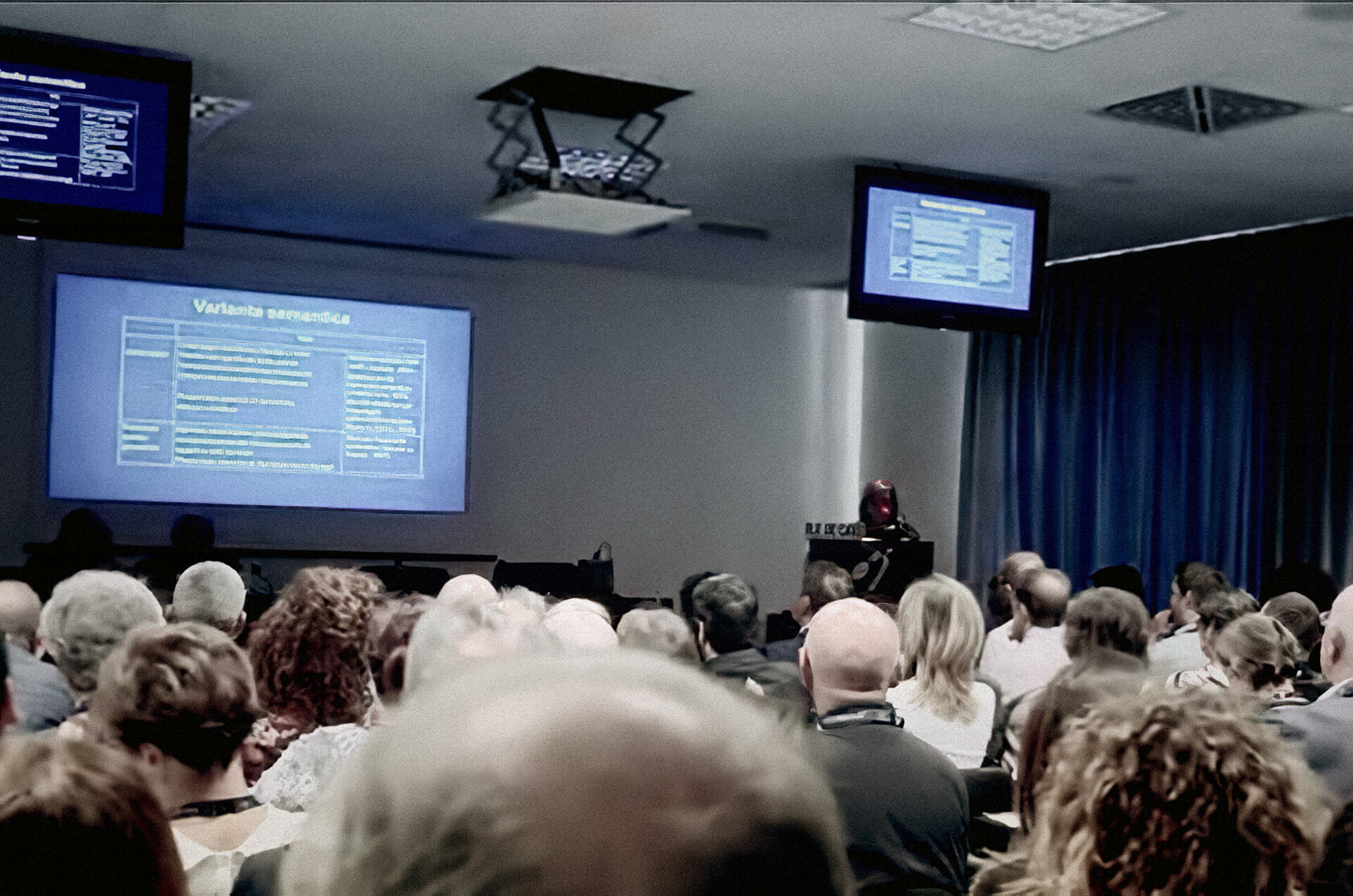
Early diagnosis to identify and adequately treat neurodegenerative diseases, particularly Alzheimer’s disease, is crucial. Achieving this requires synergy among all the involved professionals. This was the aim of the conference titled “New Criteria for Dementia Diagnosis,” held on Tuesday at Itel’s headquarters in Ruvo, organized in collaboration with the day center “Villa Anita” in Terlizzi, marking its second year of activity.
“The diagnosis,” explains Professor Pasquale Di Fazio, director of Nuclear Medicine at Dimiccoli Hospital in Barletta, “remains clinical, but with biomarkers, we can validate it when clinical signs are ambiguous.”
This allows for the identification of the disease, for which there is still no cure, before its advanced stage (when it’s too late to intervene), slowing its progression with appropriate therapeutic plans and enabling those affected (and their families) to live dignified lives for many more years. It’s a duty, a “burden,” that Itel President Leonardo Diaferia feels deeply, on a human level as well.
While science and medicine are responding unitedly, it’s crucial for institutions to allocate dedicated funds for prevention and early diagnosis. In the long term, such a policy would lead to significant savings for the National Health Service, currently allocated to those who are no longer self-sufficient, considering the rise in cases of neurodegenerative diseases due to the aging population.


